
One of the most overlooked factors in healthy aging is something very simple: the ability to move easily through your environment. Being able to step outside, take a short walk, visit neighbors, or access amenities without needing a car can have a powerful impact on overall well-being.
For individuals embracing an active adult lifestyle, walkability supports independence, encourages regular activity, and creates more opportunities for connection throughout the day. This is why walkable senior communities have become an increasingly important part of thoughtful community design.
At Watermere Plano, walkable environments encourage residents to stay active, connected, and engaged with the world around them.
1. Walkability Encourages Natural Daily Activity
Many people associate exercise with structured workouts or fitness classes. While those activities are valuable, daily movement often has the greatest long-term impact on health.
In walkable senior communities, physical activity becomes part of normal daily life. Residents may walk to shared spaces, visit neighbors, spend time outdoors, or simply take a leisurely stroll around the community. These small movements add up over time, supporting mobility, circulation, and overall energy.
When walking becomes part of everyday routine rather than a scheduled task, staying active feels easier and more sustainable.
2. Accessible Spaces Support Independence
One of the key advantages of walkable design in active adult communities is its support for independence. When amenities, gathering spaces, and outdoor areas are easy to access on foot, residents can move about freely without relying on transportation.
This level of accessibility allows individuals to maintain autonomy in their daily routines. Whether heading to a community event, visiting friends, or enjoying time outdoors, residents can do so comfortably and confidently.
For many people, the independence provided by walkable senior communities contributes significantly to quality of life.
3. Walking Promotes Social Connection
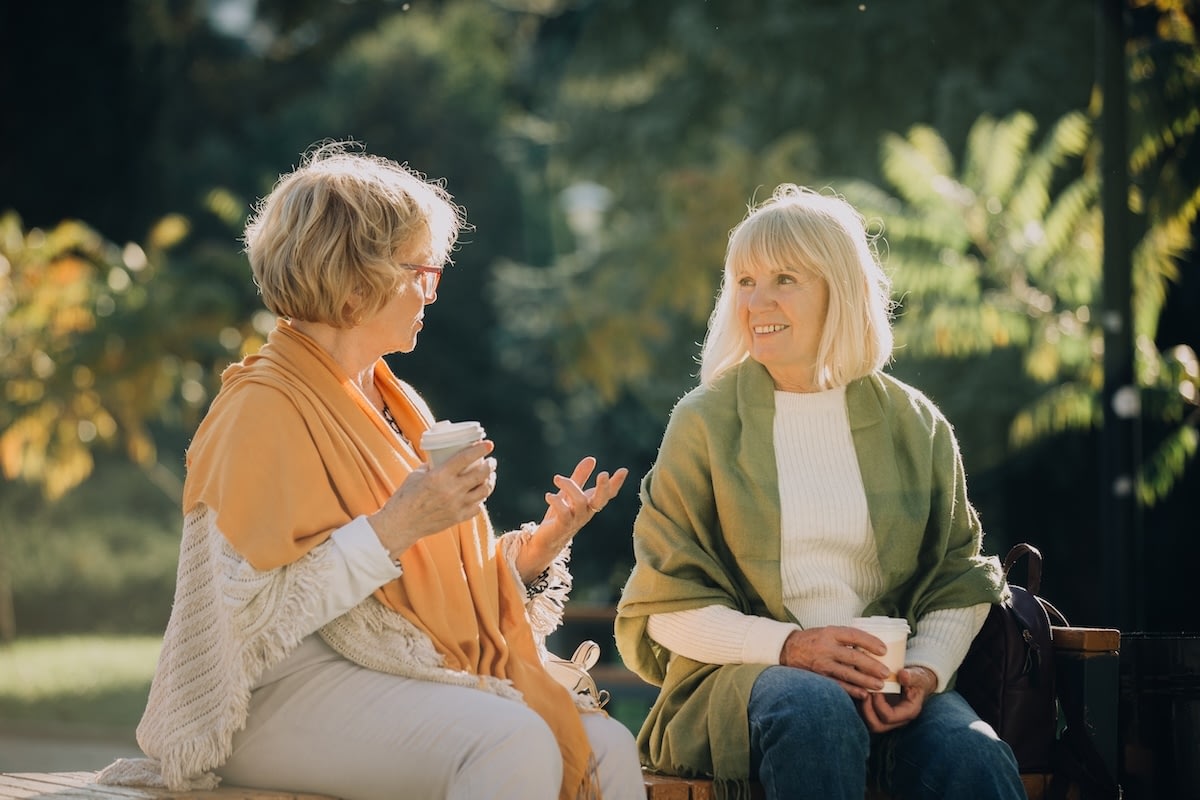
Walkability also encourages spontaneous social interaction. When residents spend time in shared outdoor spaces, walking paths, or gathering areas, conversations happen naturally.
A simple walk can turn into a friendly greeting, a shared moment with neighbors, or an invitation to join an activity. These casual interactions help relationships grow gradually and comfortably.
Over time, these everyday encounters create a stronger sense of belonging within the community.
4. Outdoor Environments Support Mental Wellness
Spending time outdoors can have a meaningful effect on emotional health. Fresh air, natural surroundings, and sunlight can help improve mood and reduce stress.
Walkable communities often include landscaped pathways, gardens, and peaceful outdoor spaces that invite residents to slow down and enjoy their surroundings. Even a brief walk outdoors can help clear the mind and restore energy.
This connection to nature is one of the many wellness benefits associated with thoughtfully designed walkable senior communities.
5. Convenience Simplifies Daily Life
Walkable environments make everyday activities easier. Instead of planning transportation or coordinating schedules, residents can simply step outside and reach many destinations within their community.
This convenience removes barriers that might otherwise discourage movement or participation. When amenities are easily accessible, residents are more likely to stay engaged and active throughout the day.
6. Walkable Design Encourages a Balanced Lifestyle
Perhaps most importantly, walkability supports balance. Residents of active adult communities can move freely between activity and relaxation, choosing when to explore and when to enjoy quiet moments.
Walking paths, gathering spaces, and nearby amenities create a lifestyle where engagement happens naturally without requiring effort or planning. This balance allows residents to maintain independence while still enjoying the benefits of a connected community environment.
Key Takeaways
- Walkable environments encourage regular daily movement and support physical health.
- Accessible community layouts help residents maintain independence and autonomy.
- Walking paths and shared spaces create natural opportunities for social connection.
- Time outdoors supports emotional well-being and mental clarity.
- Walkable senior communities make it easier to stay active, engaged, and connected throughout the day.
- Convenience and accessibility help simplify everyday routines and enhance quality of life.
A Lifestyle Designed for Movement and Connection
Sometimes the simplest design choices create the greatest impact. When a community is built around walkability, daily life becomes easier, healthier, and more connected.
At Watermere Plano, active adult living is thoughtfully designed to support independence, movement, and meaningful engagement. Walkable surroundings encourage residents to enjoy each day with comfort, confidence, and the freedom to explore.
Contact us today to learn how life at Watermere Plano supports an active, connected lifestyle.