
When people think about improving their health, they often imagine dramatic lifestyle changes, new routines, strict exercise plans, or major adjustments to daily habits. In reality, many of the most meaningful improvements happen gradually and almost unnoticed. Wellness often grows from environment, consistency, and the feeling of being supported in everyday life.
In assisted living and memory care, well-being is not treated as a separate task to accomplish. Instead, it becomes part of the daily rhythm. Residents begin to experience the benefits of senior community living through small, repeated moments that create comfort, stability, and connection. At Watermere at McKinney, these experiences are designed to feel natural, helping wellness develop without pressure or disruption.
1. Social Connection Becomes Part of the Day
Isolation can quietly affect emotional and physical health, especially when someone lives alone or daily routines become smaller over time. Community living changes this dynamic by making interaction part of normal daily life.
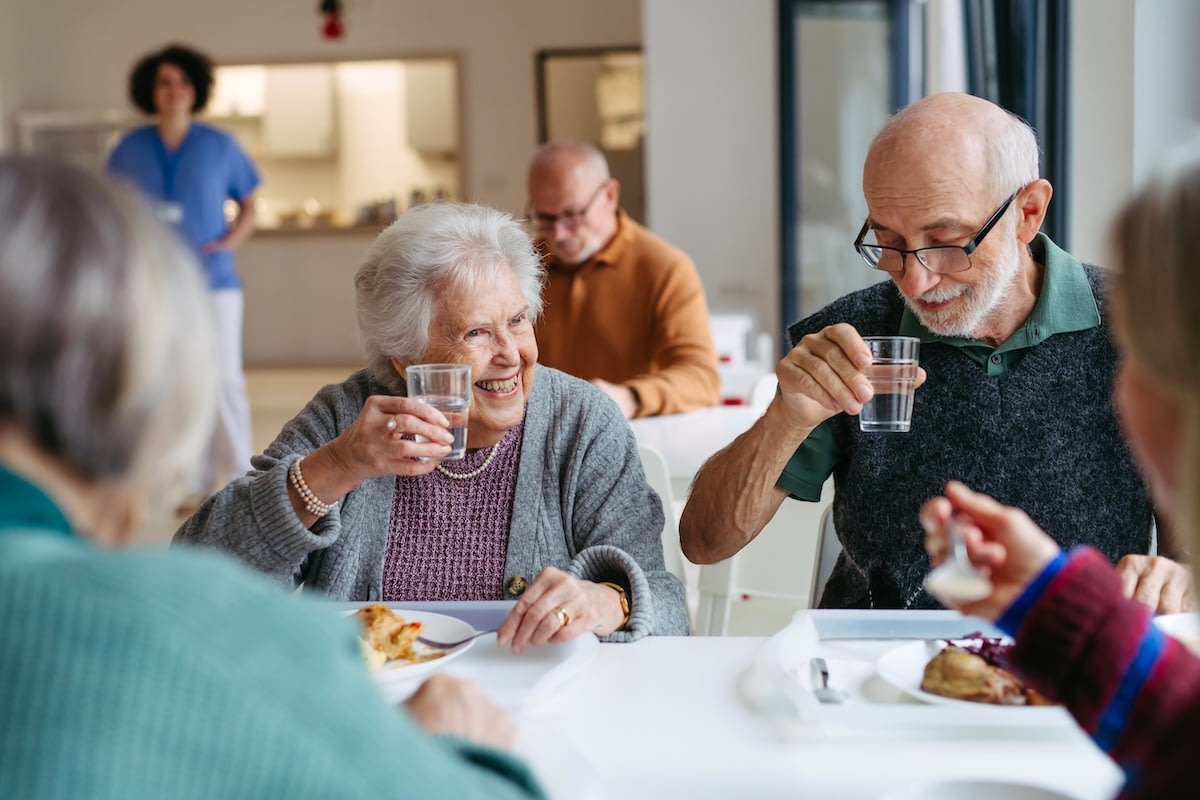
Shared meals, casual conversations in common areas, and familiar greetings throughout the day create consistent opportunities for connection. These interactions do not require effort or planning, yet they help residents feel acknowledged and included. Over time, relationships develop organically, strengthening emotional well-being and reinforcing one of the most meaningful benefits of senior community living.
2. A Predictable Rhythm Reduces Stress
Consistency provides reassurance. Knowing what to expect throughout the day helps reduce uncertainty and mental fatigue, particularly for individuals navigating health changes or memory loss.
Regular mealtimes, familiar caregivers, and thoughtfully paced activities create a steady flow that allows residents to relax into their routines. In memory care, this structure is especially supportive, helping individuals feel more oriented and comfortable. Rather than limiting independence, predictable rhythms often make daily life feel more manageable and calm.
3. Movement Happens Without Overthinking It
Physical wellness does not always require formal exercise programs. In community living, movement becomes part of everyday life in subtle but meaningful ways.
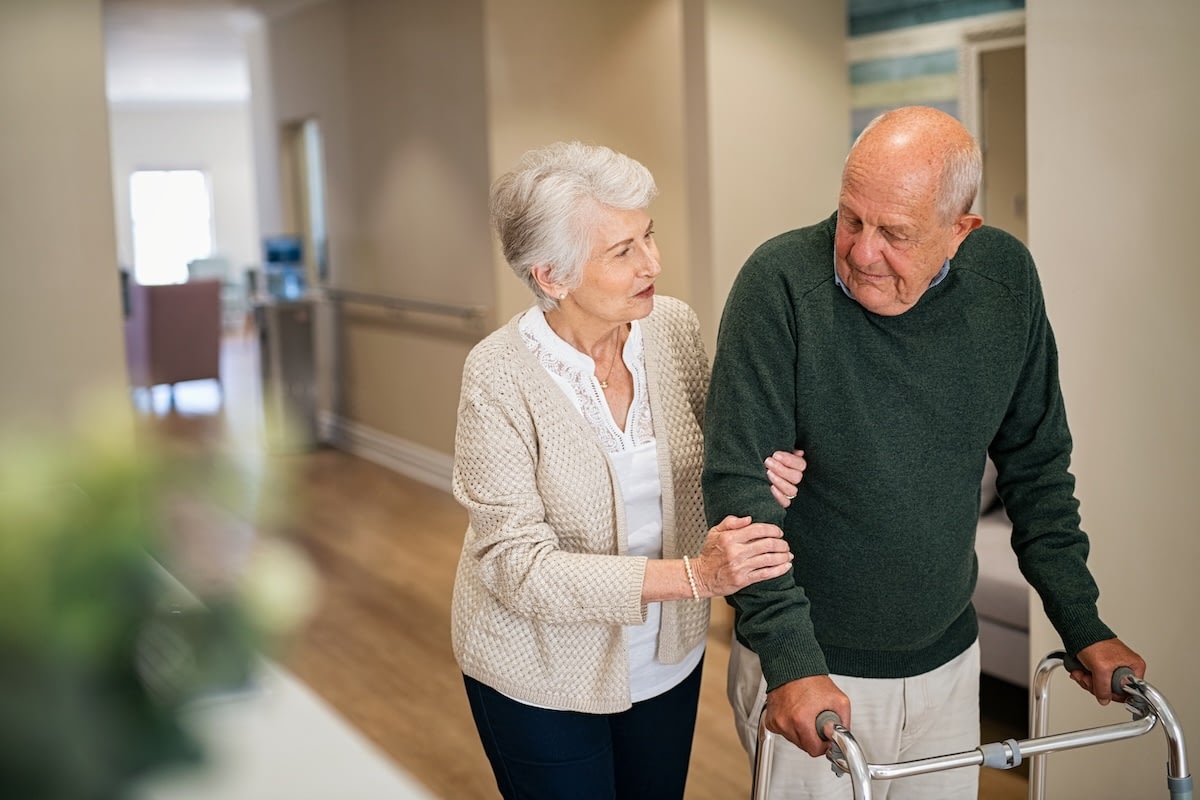
Walking to meals, participating in activities, spending time outdoors, or simply moving between shared spaces helps maintain mobility and balance. Because these moments feel natural, residents often stay more active without feeling pressured to follow a fitness routine. This steady level of activity supports strength and energy while reinforcing the quiet, ongoing benefits of senior community living.
4. Mealtimes Support Nutrition and Enjoyment
Maintaining proper nutrition can become challenging when cooking feels overwhelming or inconsistent. Senior living communities simplify this aspect of daily life by providing regular access to balanced meals in welcoming dining environments.
Beyond nourishment, mealtimes provide structure and social engagement. Sitting down to eat alongside others encourages conversation and creates a sense of routine that many residents find comforting. Improved nutrition often happens naturally once the responsibility of meal planning and preparation is removed.
5. A Greater Sense of Safety Can Improve Well-Being
Feeling safe influences both physical and emotional health. When support is nearby, residents often experience less worry about managing daily challenges alone.
Knowing assistance is available allows individuals to move through their day with greater confidence. Families frequently notice reduced anxiety once a loved one settles into a supportive environment.
6. Engagement Supports Identity and Emotional Health
Meaningful engagement helps individuals stay connected to who they are. Activities in assisted living and memory care are designed to reflect personal interests and life experiences rather than simply filling time.
Music, creative expression, conversation, and familiar hobbies provide opportunities for participation that feel comfortable and recognizable. In memory care, especially, these experiences can spark recognition and emotional connection, reinforcing identity and supporting overall well-being.
Key Takeaways
- The benefits of senior community living often develop gradually through everyday routines and shared experiences.
- Regular social interaction helps reduce isolation and strengthen emotional health.
- Consistent daily structure creates comfort and reduces stress.
- Natural movement throughout the day supports physical wellness.
- Reliable meals and supportive dining routines improve nutrition and enjoyment.
- A safe, supportive environment encourages confidence and peace of mind for residents and families alike.
Wellness That Grows Naturally Over Time
Wellness does not always arrive through noticeable change. Often, it develops quietly through familiarity, connection, and supportive surroundings that make daily life feel easier and more fulfilling.
Senior living communities create environments where healthy habits form naturally, relationships grow steadily, and residents feel supported in ways that enhance both comfort and confidence. At Watermere at McKinney, community life is designed to nurture well-being in subtle but meaningful ways, helping residents experience greater balance, connection, and peace of mind each day.
Contact us today to learn how assisted living and memory care at Watermere at McKinney can support wellness for you or someone you love.