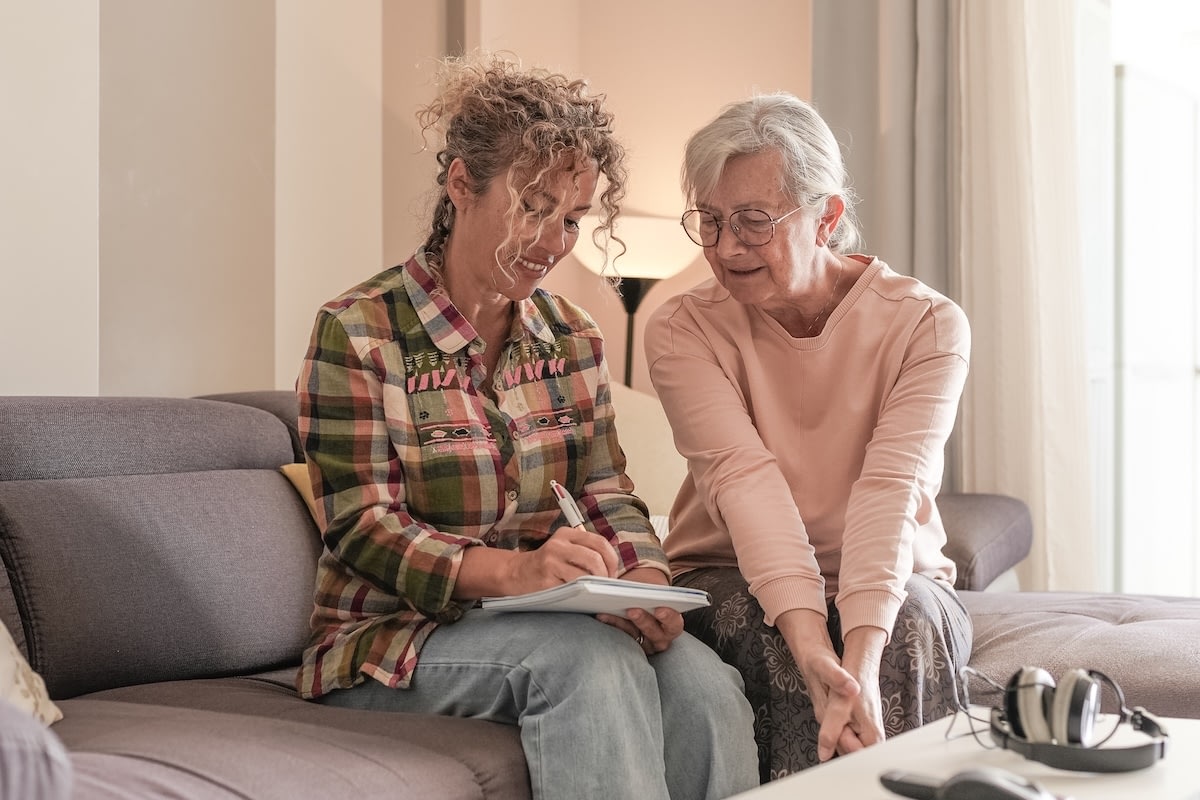
Support can take many forms. It can be practical, structured, and necessary for daily life. However, there is also a deeper layer of support that is less visible and often more meaningful: the feeling of being understood, respected, and genuinely cared for.
In senior living communities, this distinction matters. Having support means needs are met. Feeling supported means those needs are met in a way that brings comfort, trust, and emotional ease. Understanding this difference helps families recognize the importance of emotional support in senior living, not just the services provided, but how those services are experienced.
At [community name], care is shaped around both.
Support Meets Needs, but Feeling Supported Builds Trust
Practical support focuses on helping with daily tasks such as bathing, dressing, or medication management. These services are essential and form the foundation of senior living communities.
However, the way support is delivered makes a lasting difference. A familiar voice, a calm presence, and a thoughtful approach can transform a routine task into a reassuring experience. Over time, these interactions build trust, helping residents feel more comfortable and secure in their environment.
This trust is a key part of emotional support in senior living, creating a sense of safety that extends beyond physical care.
Consistency Creates Comfort
Consistency in caregivers, routines, and daily interactions helps residents feel grounded. Seeing familiar faces and experiencing predictable rhythms allows individuals to settle into their environment more easily.
In memory care, especially, consistency can reduce confusion and anxiety. Familiar patterns create a sense of stability that helps residents navigate their day with greater confidence.
When support is consistent, it becomes something residents can rely on, reinforcing both comfort and emotional well-being.
Personalization Makes Care Feel Meaningful
Every individual brings their own preferences, habits, and life experiences. When care reflects those personal details, it feels more natural and respectful.
Taking the time to understand routines, interests, and comfort levels allows caregivers to tailor their approach. Whether it’s honoring a preferred morning routine or engaging in a favorite activity, these details help residents feel seen as individuals.
Personalized care strengthens emotional support in senior living by reinforcing identity and familiarity.
Communication Shapes the Experience
How something is said often matters just as much as what is said. Clear, respectful communication helps residents feel included and valued in their daily lives.
Taking time to explain, listen, and respond thoughtfully can reduce uncertainty and build confidence. For families, open communication with care teams also creates reassurance and trust.
Strong communication supports emotional well-being by making individuals feel heard and understood.
Environment Influences Emotional Well-Being
The physical environment plays a subtle but important role in how support is experienced. Comfortable spaces, natural light, and thoughtful design can help create a sense of calm.
In memory care, environments are often designed to reduce overstimulation and support familiarity. In assisted living, shared spaces and welcoming layouts encourage connection while still offering privacy.
These surroundings help reinforce emotional support in senior living, allowing residents to feel both relaxed and engaged.
Key Takeaways
- Support involves meeting daily needs, while feeling supported involves how that care is experienced.
- Trust develops through consistent, respectful interactions.
- Personalization helps residents feel recognized and understood.
- Communication plays a key role in emotional comfort.
- Environment and routine contribute to a sense of stability and ease.
- Emotional support in senior living enhances both quality of life and overall well-being.
Where Care Feels Personal
The difference between having support and feeling supported often comes down to the small, consistent moments that shape daily life. When care is delivered with attention, respect, and understanding, it creates an environment where residents can feel comfortable, confident, and connected.
At Integrated Senior Lifestyles, assisted living and memory care are designed to support not only physical needs but also each resident’s emotional experience.
Contact us today to learn how our approach to care helps residents feel supported in every sense of the word.